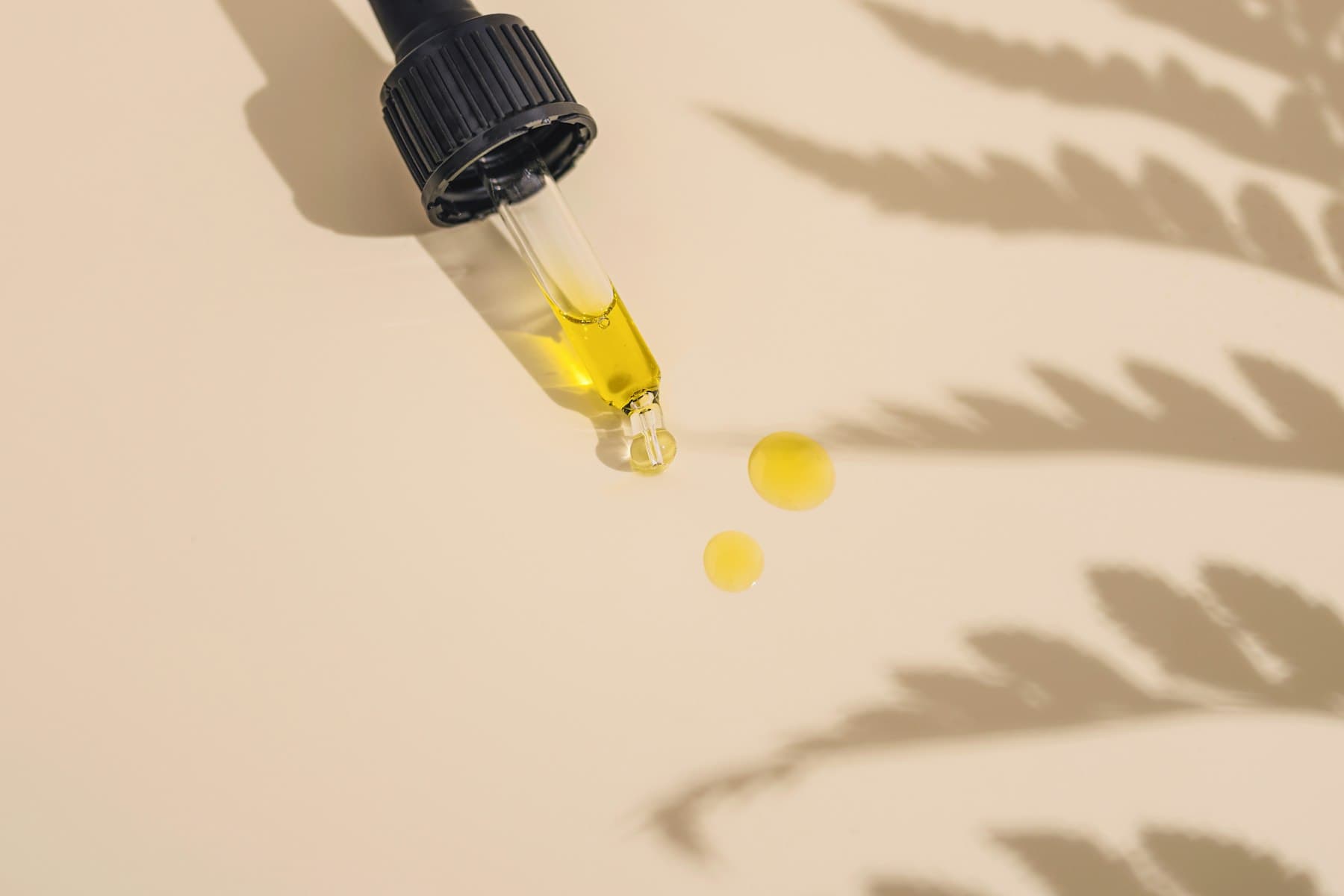
How to Choose a Face Oil for Your Skin Type
Dry, oily, combination or sensitive: how to pick a face oil that actually suits your skin.
By Hunzapure Team3 min read

Face oils have a reputation for being only for dry skin. In reality, almost any skin type can enjoy one. The trick is choosing the right weight of oil and using the right amount. Get those two things right and an oil feels like comfort, not grease.
First, work out your skin type
Wash your face with a gentle cleanser, pat dry and wait an hour without applying anything. Then notice how it feels:
Your skin can also change with the seasons. Many people in Pakistan find their skin is oilier in the humid summer months and drier in winter, so it's worth adjusting your oil through the year.
Then choose by texture, not hype
Plant oils feel very different on the skin. Some are thin and fluid and disappear within a minute; others are rich and cushioning and stay on the surface longer. Matching the texture to your skin is the single most useful thing you can do.
Dry skin
Dry skin usually loves oil. Start with a medium oil such as almond, and in colder months try a richer one like walnut at night. Press the oil over your moisturiser to help seal it in, and avoid very hot water when washing your face. Our winter skin care routine has more ideas.
Oily skin
Oily skin can still feel dehydrated, especially after strong cleansers that strip it. Choose a light oil like apricot kernel and use one or two drops at night only. Focus on areas that feel tight rather than your T-zone. If you're prone to breakouts, introduce it slowly, a few nights a week, and watch how your skin responds.
Combination skin
Treat it as two skin types. Press a light oil onto drier cheeks and skip the oilier forehead and nose, or use the lightest possible layer all over. In summer, you might use oil only at night; in winter, morning and night.
Normal skin
Lucky you: most oils will work. Almond or apricot are easy daily choices. Use two or three drops at night and switch to something richer if your skin feels tight in winter.
Sensitive skin
Keep it simple. Single-ingredient oils without added fragrance are the gentlest starting point. Always patch test for 24 hours first, and introduce one new product at a time so you know what your skin is responding to.
Quick comparison
You can compare all three side by side on our shop page. For a closer look at the two lightest, read Apricot Oil vs Almond Oil.
How much to use
For the face, two to three drops is the sweet spot. Using too much is the most common reason people think face oils are greasy. You can always add one more drop.
When to apply it
Face oil is usually the last step of your routine, after moisturiser and before sunscreen in the morning. Applying it to damp skin helps it spread and absorb. We explain the full order in face oil before or after moisturiser.
Frequently asked questions
This article is for general information and isn't medical advice. If you have a skin condition, allergy or concern, please speak to a doctor or pharmacist.