Apricot Oil vs Almond Oil: Which Is Better for Your Skin and Hair?
Two close cousins with different personalities. A side-by-side comparison to help you choose.
By Hunzapure Team2 min read
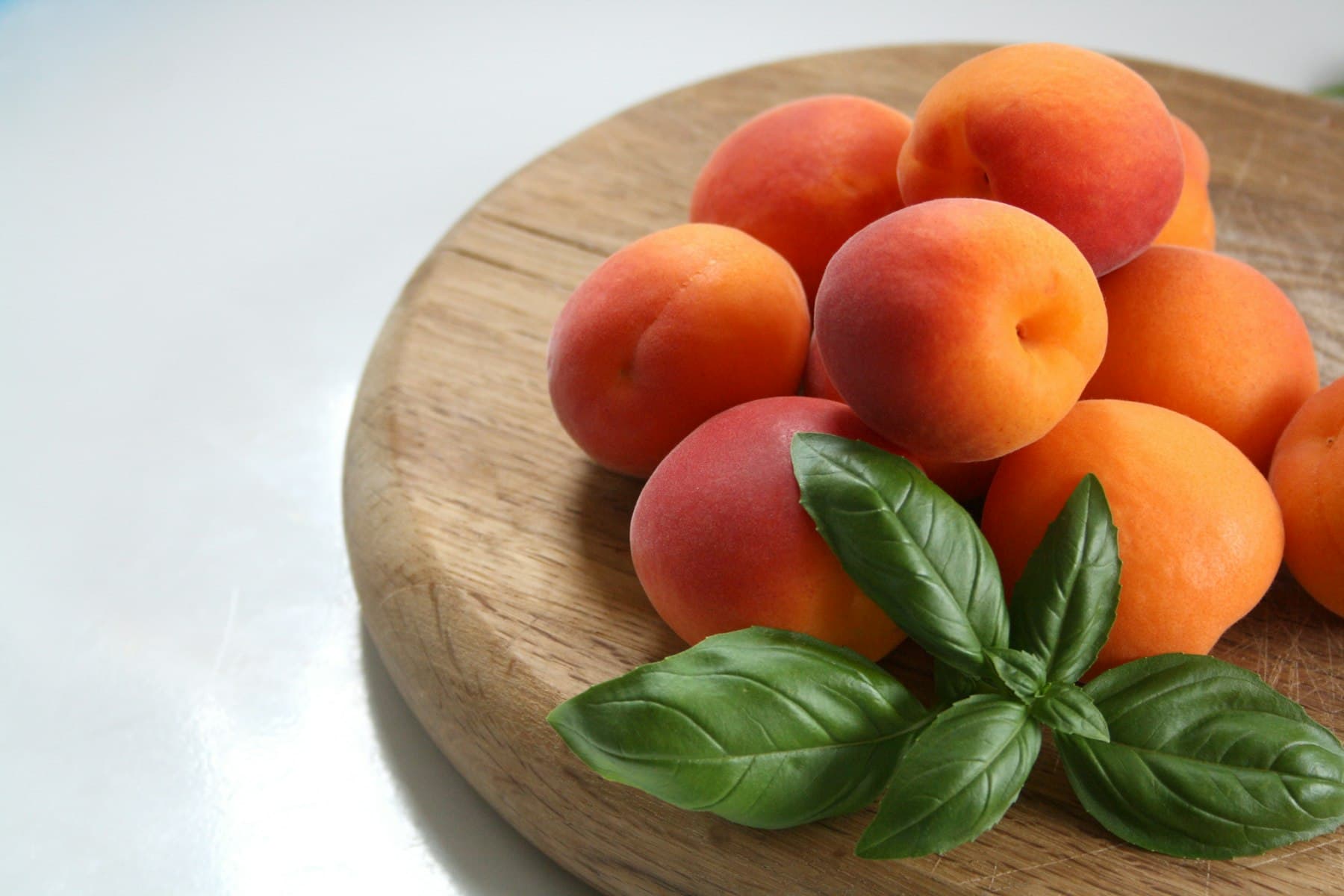
Apricot and almond trees are close botanical relatives, both members of the Prunus family, and their kernel oils are similar in many ways. Both are gentle, single-ingredient oils that suit most skin, both are rich in oleic and linoleic fatty acids, and both have been used in skin and hair care for centuries. But they feel different on the skin, and that difference decides which one you'll love.
At a glance
For the face: apricot
If you want an oil for facial rituals, apricot is our pick. It absorbs quickly, sits comfortably under moisturiser or makeup, and gives excellent glide for facial massage without leaving skin shiny. Read apricot kernel oil for face.
For the body: almond
Almond oil's silky texture is ideal for spreading over larger areas after a shower and for massage, where you want a little more slip and staying power. It's the classic everyday body oil. See sweet almond oil for skin and our body massage guide.
For hair: it depends
Almond oil is the traditional choice for hair oiling and suits most hair types. Apricot oil is lighter and easier to wash out, making it a good choice for fine hair and for scalp massage. For thick or very dry hair, consider walnut oil.
By skin type
By season
In Pakistan's hot, humid summers, apricot's lightness makes it the more comfortable choice. In winter, almond's slightly richer feel is welcome, and you might even add walnut. See our summer and winter routines.
As a makeup remover
Both work for the oil cleansing method. Apricot rinses away a little more cleanly; almond is a touch more comforting for dry skin.
Can you use both?
Absolutely. Many people keep apricot by the bathroom sink for their face and almond by the shower for their body. You can also blend them; two parts apricot to one part almond makes a lovely face oil. See our DIY oil blends.
The verdict
There's no 'better' oil, only the better oil for the job. If you want one bottle for everything, choose almond. If face care is your priority, or you live somewhere hot and humid, choose apricot. If you can, keep both.
Frequently asked questions
This article is for general information and isn't medical advice. If you have a skin condition, allergy or concern, please speak to a doctor or pharmacist.