Walnut Oil for Hair: A Rich Pre-Wash Treatment (and a Common Myth)
Rich, warm and cushioning. How to use walnut oil on dry hair, and why it won't darken greys.
By Hunzapure Team3 min read
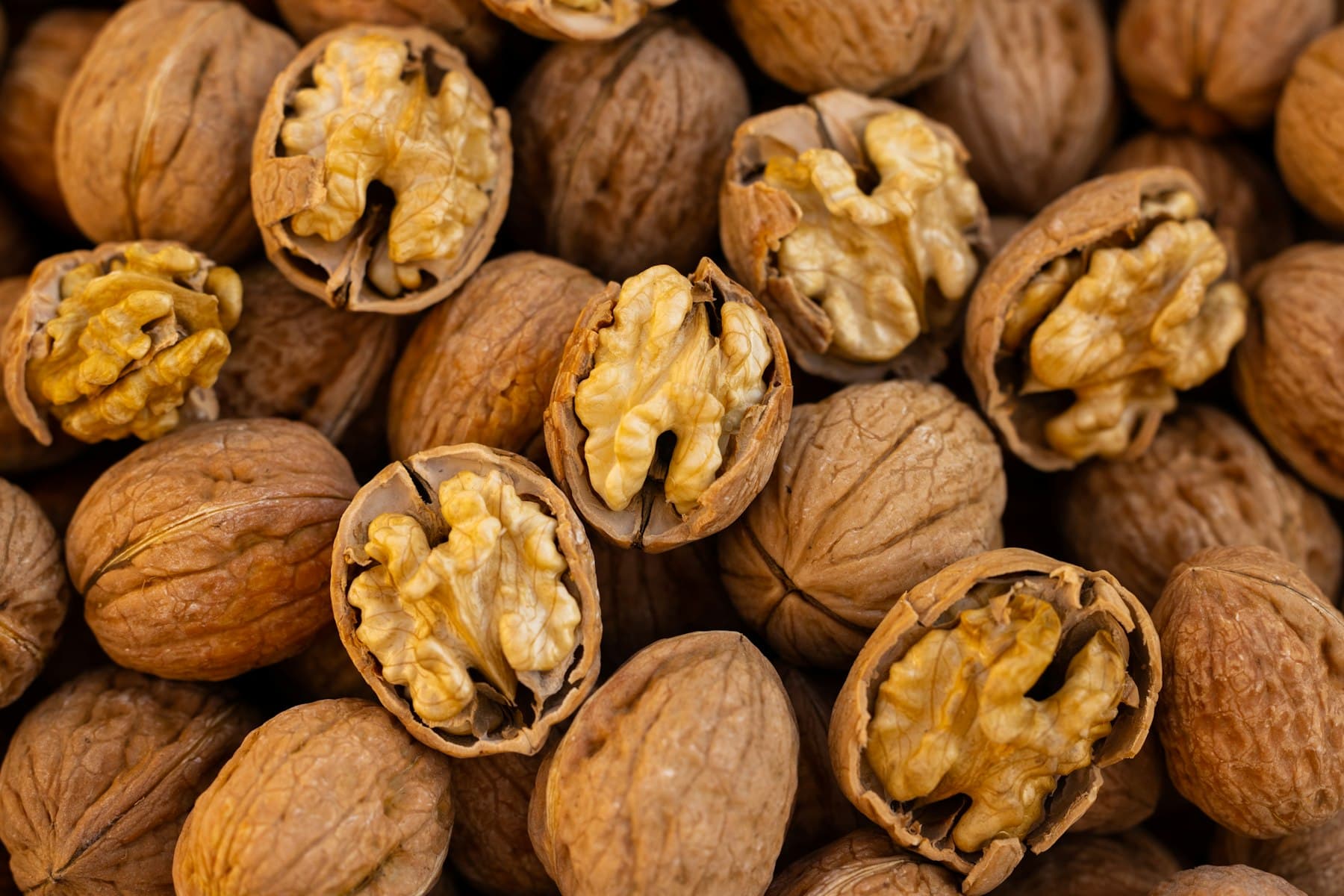
Walnut oil, or akhrot ka tel, is the richest of the kernel oils. It's warm, cushioning and generous, which makes it a lovely treatment for dry, coarse or thick hair, especially in winter when hair tends to feel rough and staticky.
What makes walnut oil different?
Pressed from the walnut kernel (Juglans regia), walnut oil is deeper in colour and richer in feel than almond or apricot oil. It's particularly high in polyunsaturated fatty acids, which gives it a slightly more 'nourishing' feel on very dry hair. The trade-off is that it's heavier, so a little goes a long way.
Who should use walnut oil on hair?
If your hair is fine or gets oily quickly, walnut oil may feel too heavy on its own. Try almond oil instead, or blend the two.
How to use walnut oil as a pre-wash mask
The grey hair myth
You'll often read that walnut oil darkens grey hair. This comes from a real tradition, but it's about the green outer hull of the walnut, which contains natural dyes and has long been used to stain hair, wool and wood brown. The pale oil pressed from the kernel doesn't contain meaningful amounts of those dyes, so it won't change your hair colour.
We'd rather tell you that than sell you a promise. Walnut oil is wonderful for making dry hair feel soft and nourished, and that's what we recommend it for. If you want to cover greys naturally, henna and similar plant dyes are the traditional route.
Walnut oil as a finishing oil
For thick or curly hair, a single drop smoothed over the ends after styling can add gloss and reduce frizz. Start with less than you think; it's easy to add more and hard to take away.
Walnut and almond: a balanced blend
For many people, the sweet spot is one part walnut to one part almond. You get the richness of walnut with the lighter feel of almond, and it washes out more easily. For fine hair, try one part walnut to three parts almond. See more in DIY oil blends.
How often?
Once a week is enough for most people, twice a week for very dry hair in winter. If your hair starts to feel limp or coated, cut back. Our hair oiling guide and how long to leave oil in hair go into more detail.
Storing walnut oil
Because it's rich in polyunsaturated fats, walnut oil is more delicate than almond or apricot. Keep it tightly closed, out of the light and away from heat, and use it within the period on the label. See how to store natural oils.
Our Walnut Oil is the richest in our range, made for slower rituals and colder months.
Frequently asked questions
This article is for general information and isn't medical advice. If you have a skin condition, allergy or concern, please speak to a doctor or pharmacist.