Hair Oiling the Right Way: A Complete Guide to Champi
The South Asian ritual of champi, explained step by step: oils, technique, timing and the mistakes to avoid.
By Hunzapure Team3 min read
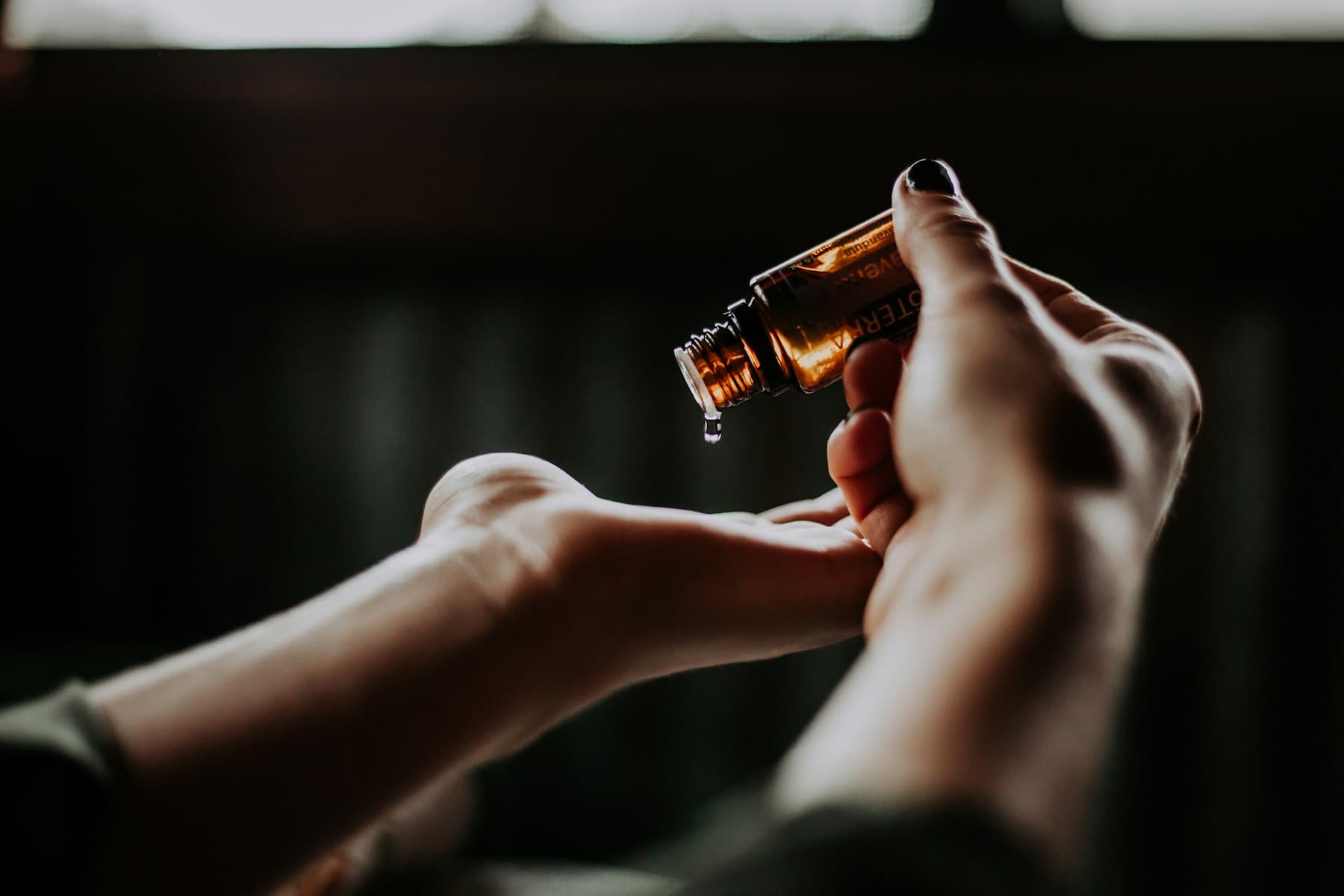
Hair oiling, or champi, is one of the most loved rituals in South Asian homes. A mother or grandmother massaging warm oil into your scalp is a memory many of us share. Done right, it leaves hair soft, shiny and easier to manage, and it's a few quiet minutes of care in a busy week.
Done wrong, with too much oil, too much rubbing, or oil left on for days, it can leave hair limp and tangled. This guide covers everything you need to get it right.
What hair oiling can and can't do
Oiling before washing helps hair feel softer and less stripped by shampoo, reduces frizz and makes detangling easier, so you lose fewer strands to breakage. It won't make hair grow faster or cure hair loss; if you're worried about thinning, see a doctor. Read more in almond oil for hair.
Step 1: Choose your oil
Step 2: Warm it gently
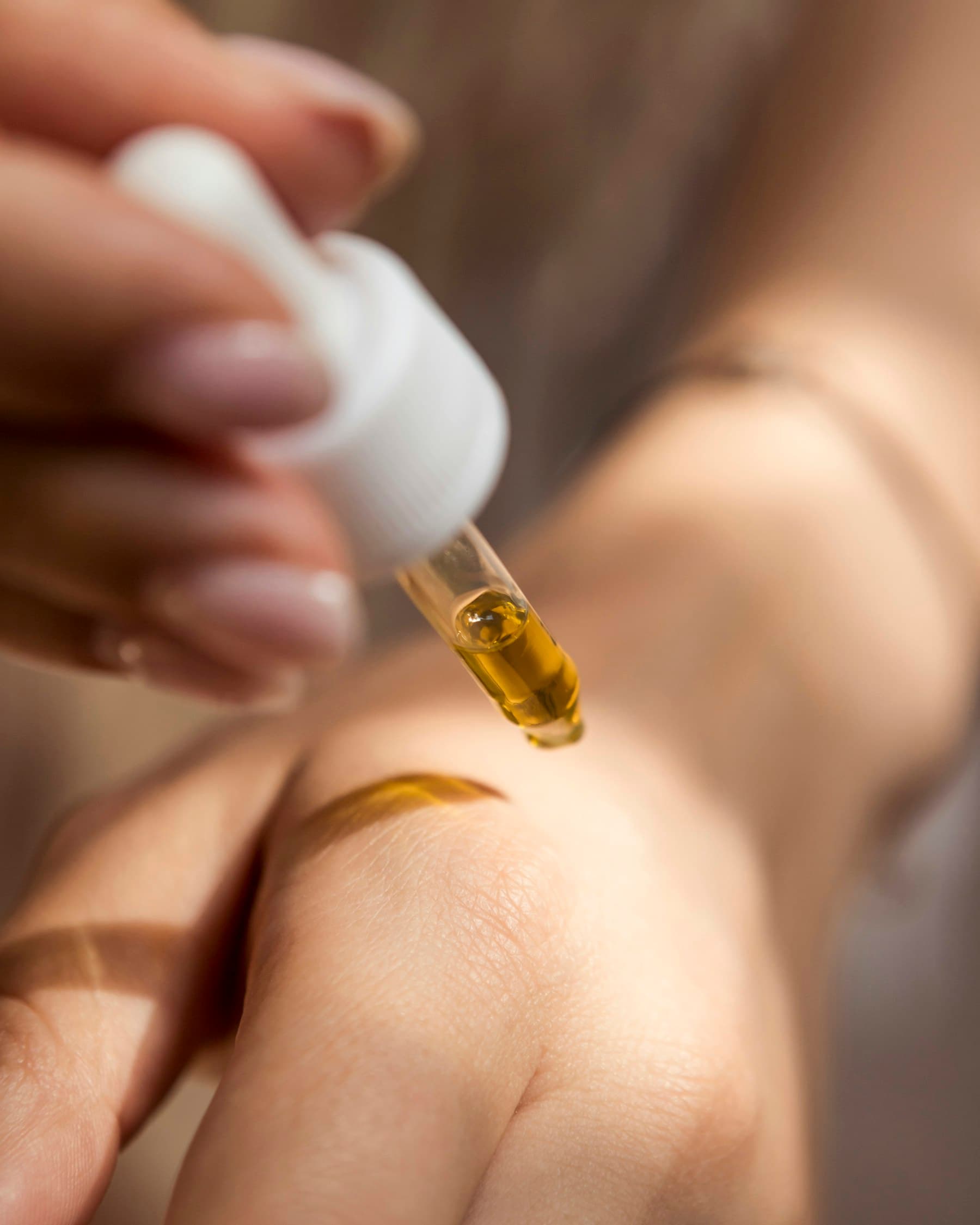
Warm oil spreads more easily and feels more relaxing. Stand the bottle in a cup of warm water for a few minutes. Never microwave oil; it heats unevenly and can burn your scalp. Test a drop on your wrist before applying.
Step 3: Section and apply
Step 4: Massage
Using the pads of your fingers (not your nails), massage your scalp in small circles for five minutes. Move from the hairline back to the crown, then down to the nape. Gentle pressure is all you need; vigorous rubbing can tangle and break hair.
For a more detailed technique, read our scalp massage guide.
Step 5: Leave it in
Thirty minutes to two hours is enough for most people. Wrapping your head in a warm towel helps. Overnight is fine too, if you protect your pillow and plait your hair loosely. We cover timing in detail in how long to leave oil in hair.
Step 6: Wash it out properly
Apply shampoo to dry, oiled hair first, before adding water. Shampoo binds to oil more easily this way. Massage it in, then rinse and shampoo a second time. Condition the ends. Rinse with lukewarm, not hot, water.
How much oil to use
Hair should feel coated, not dripping. If you can't wash it out in two shampoos, use less next time.
Common hair oiling mistakes
A weekly hair oiling routine
Frequently asked questions
This article is for general information and isn't medical advice. If you have a skin condition, allergy or concern, please speak to a doctor or pharmacist.