Almond Oil for Hair: What It Can (and Can't) Do
Badam oil is a household hair staple. Here's what it really does, and how to get the most from it.
By Hunzapure Team3 min read
Ask almost any household in Pakistan about hair care and badam oil will come up. It's been massaged into scalps for generations, usually on a Sunday morning before washing, by mothers, grandmothers and aunties who swore by it. But what does almond oil actually do for hair, and what's a myth?
Does almond oil make hair grow faster?
Let's be honest: there's no good evidence that almond oil, or any oil, makes hair grow faster or thicker. Hair growth is mostly determined by genetics, hormones, nutrition, stress and overall health. If you're experiencing sudden or patchy hair loss, see a doctor or dermatologist, as it can be a sign of something that needs treatment, such as low iron or a thyroid issue.
What almond oil can do is help the hair you have look and feel better, and protect it from some everyday wear and tear. That's where it really shines.
Real benefits of almond oil for hair
Which hair types suit almond oil?
Almond oil is light to medium in texture, which makes it one of the most versatile hair oils. It suits most hair types, from straight to wavy and curly. Very fine hair may prefer a lighter touch or apricot oil; very thick, coarse or dry hair may enjoy a blend with walnut oil.
How to use almond oil as a pre-wash treatment
Want to go deeper? Our complete hair oiling guide covers technique, frequency and the most common mistakes.
How to use almond oil as a finishing oil
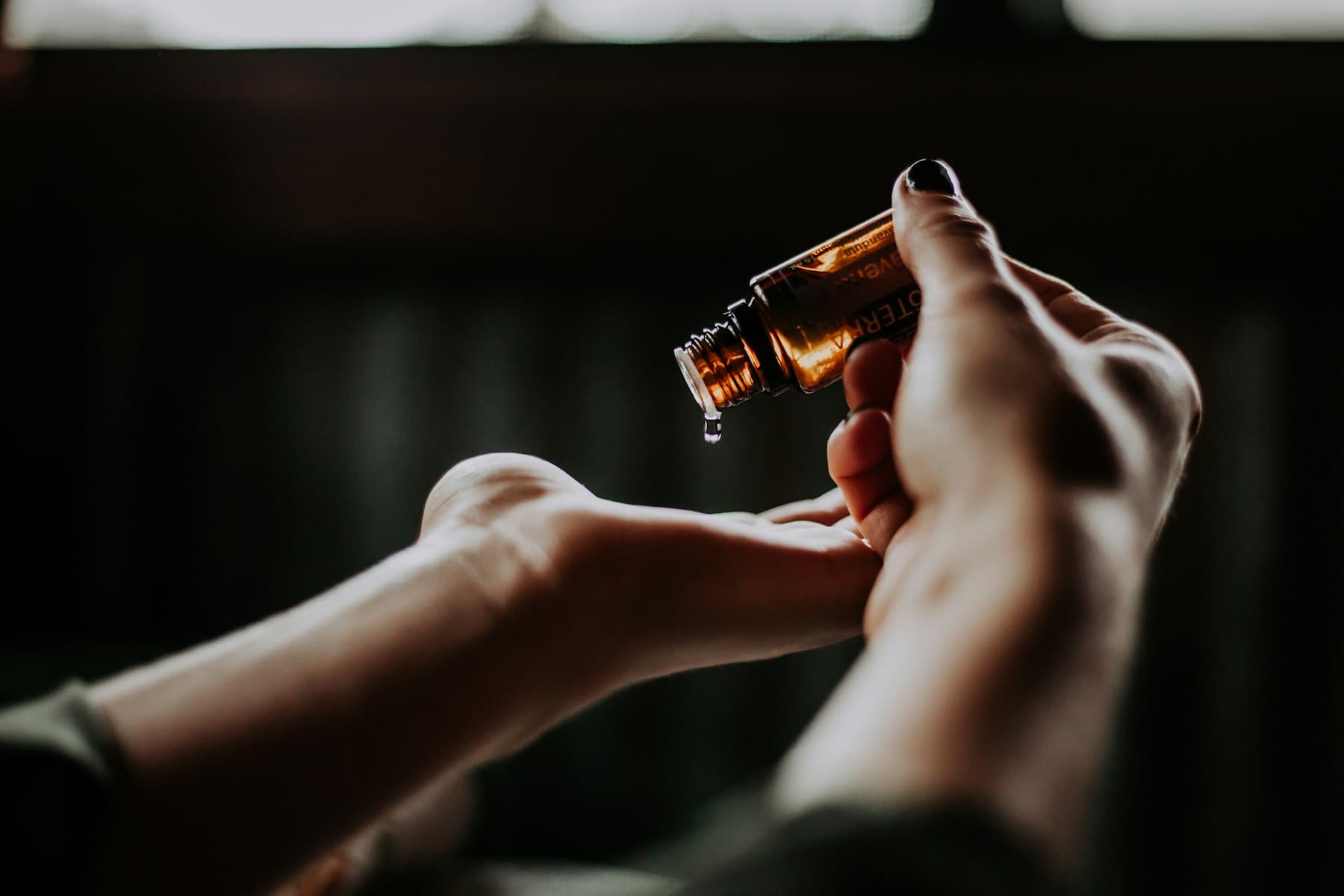
On dry or towel-dried hair, rub one or two drops between your palms and smooth over the ends only. It tames frizz and adds shine without weighing hair down. Keep it off the roots, especially if your scalp gets oily quickly.
Almond oil for the scalp
A gentle scalp massage with almond oil before washing feels wonderful and can make a dry, tight scalp feel more comfortable. If you have persistent flaking or itching, though, oil isn't the answer: dandruff is often linked to a yeast that feeds on oils, and an anti-dandruff shampoo usually works better. See our scalp massage guide for technique.
How often should you oil?
Once or twice a week is plenty for most hair types. Fine hair may prefer once a week; thick, dry or curly hair can enjoy it more often. See how long to leave oil in hair for timing.
Habits that matter more than any oil
Our Almond Oil is pure sweet almond oil, light enough for lengths and gentle on the scalp.
Frequently asked questions
This article is for general information and isn't medical advice. If you have a skin condition, allergy or concern, please speak to a doctor or pharmacist.