How to Patch Test a New Oil (Before It Touches Your Face)
Two minutes now can save a week of irritation. The simple 24-hour patch test.
By Hunzapure Team2 min read
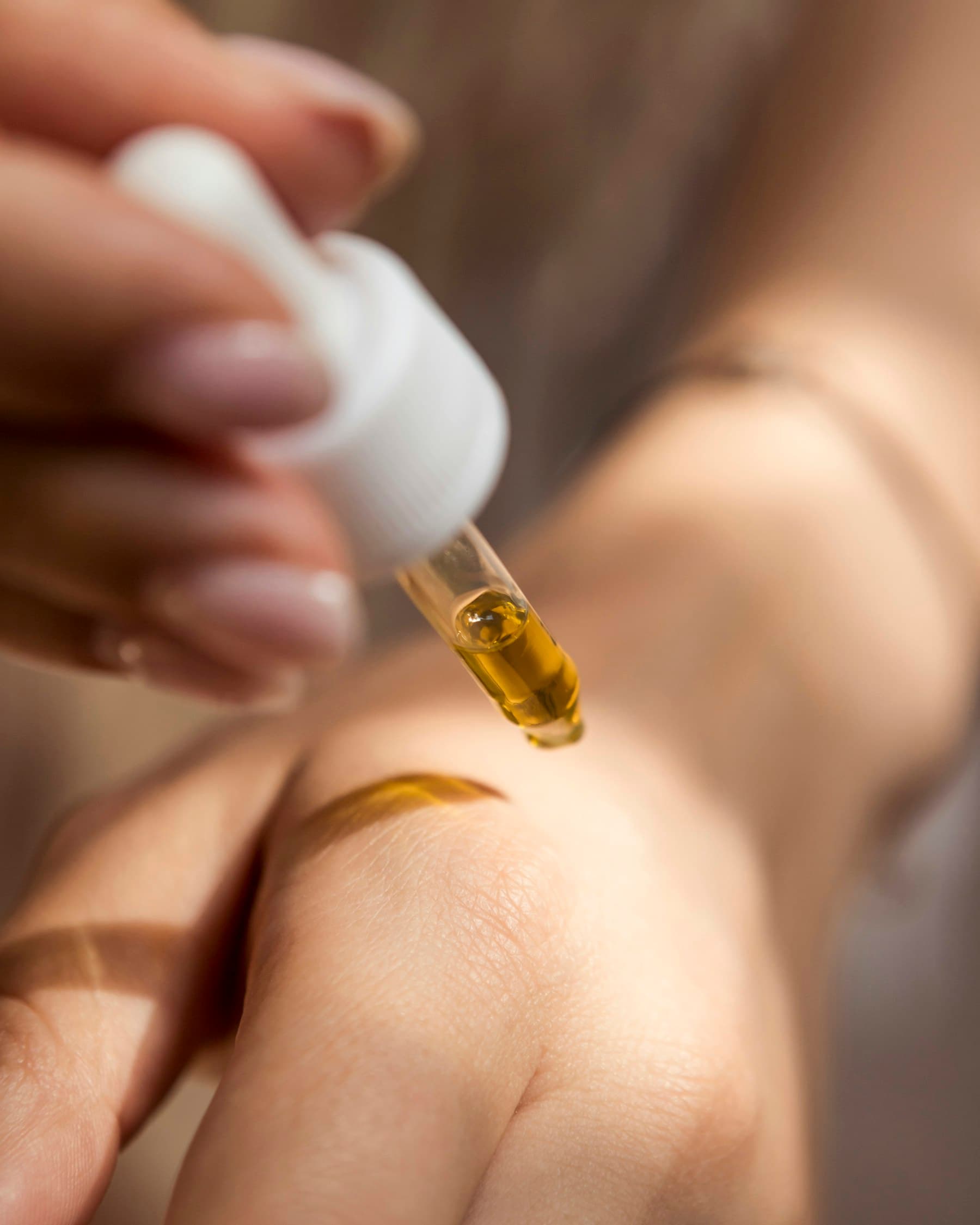
Even the gentlest, single-ingredient oil can disagree with someone's skin. A patch test is a quick, simple way to check before applying a new product to your face or body. It takes two minutes to set up and could save you a week of irritation.
Why patch test?
It's especially important if you have sensitive skin, a history of reactions, eczema, or you're trying several new products.
How to patch test
What a reaction looks like
If you see any of these, wash the area with mild soap and water, and don't use the product. If the reaction is severe, or you have any difficulty breathing, wheezing or swelling of the face, lips or throat, seek medical help immediately.
Irritation vs allergy
Irritation usually appears quickly, stays where the product was applied, and fades when you stop. An allergic reaction can take a day or two to appear and may spread beyond the test area. Both mean: don't use the product. If you're unsure what happened, a doctor or dermatologist can help.
No reaction? Introduce it slowly
If the area looks and feels normal after 24 hours, start by using the oil on a small part of your face (like the jawline) for a few days before using it all over. Start with fewer drops and build up.
Important: nut allergies
Almond, apricot kernel and walnut oils all come from nut or kernel sources. If you have a nut allergy, do not rely on a patch test. Speak to your doctor before using these oils, and avoid them if in doubt.
Patch testing on children
Children's skin can be more sensitive. Ask a doctor before using any new oil on a child, especially a baby, and be particularly careful with nut-based oils.
Ready to choose? See how to choose a face oil, or compare apricot and almond.
Frequently asked questions
This article is for general information and isn't medical advice. If you have a skin condition, allergy or concern, please speak to a doctor or pharmacist.