How to Store Natural Oils (and How to Tell If They've Gone Rancid)
Light, heat and air are the enemy. How to keep your oils fresh, and how to know when to replace them.
By Hunzapure Team2 min read
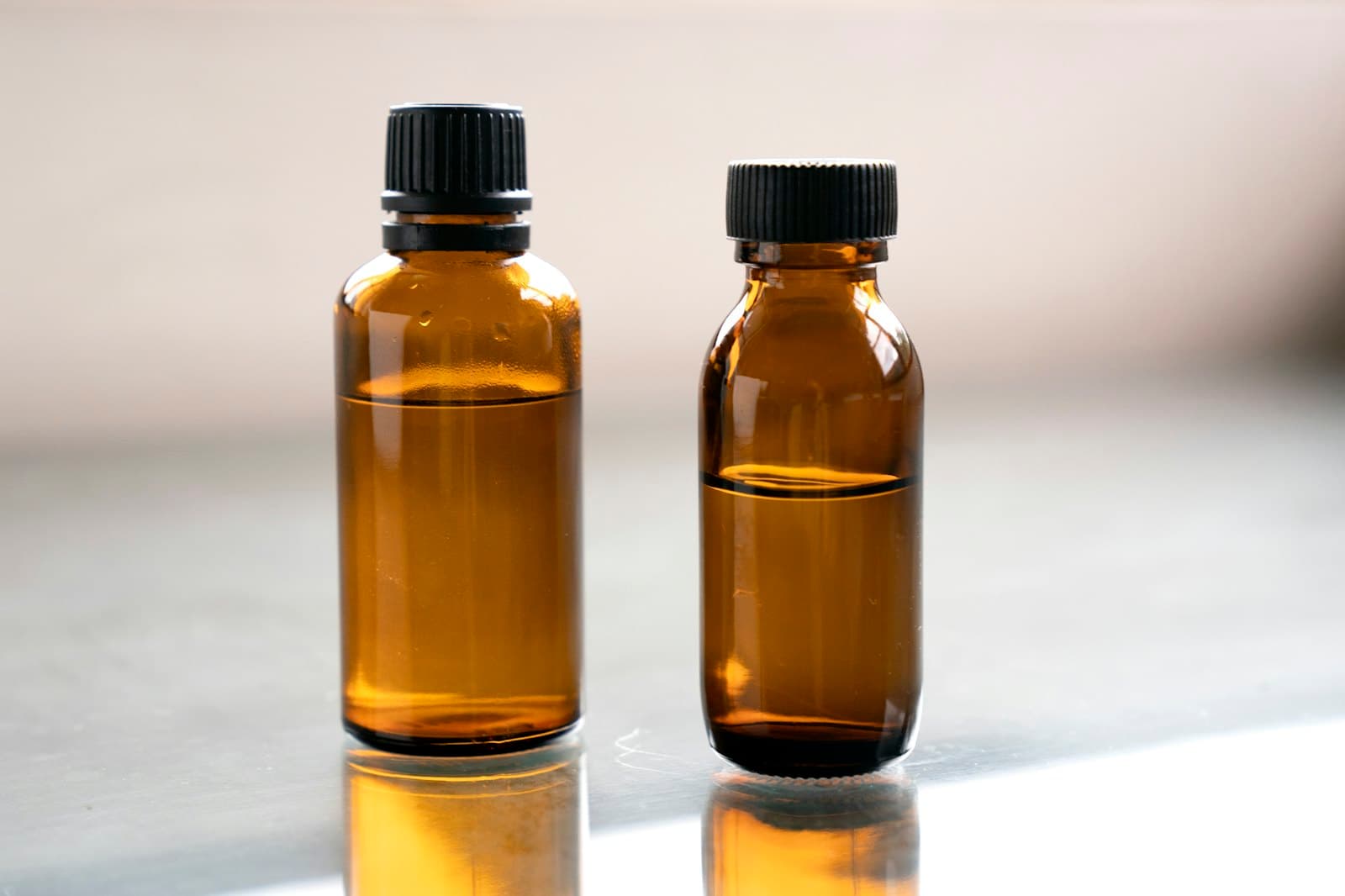
Natural oils don't last forever. Over time they react with oxygen, a process called oxidation, and eventually go rancid. Rancid oil smells unpleasant, loses its softening qualities, and isn't something you want on your skin. The good news: a few simple storage habits keep your oil fresh much longer.
Why oils go rancid
Plant oils are made of fatty acids. The more 'unsaturated' they are, the more easily they react with oxygen. Light and heat speed this reaction up dramatically. That's why richer, more unsaturated oils like walnut are more delicate than almond or apricot.
The three enemies: light, heat and air
Where to store your oil
Keep it clean
How long do oils last?
Always follow the period shown on the label after opening, usually shown as an open-jar symbol with a number of months. As a general guide, richer oils with more polyunsaturated fats (like walnut) are more delicate and are best used sooner than almond or apricot.
Signs an oil has gone rancid
If in doubt, throw it out. Fresh oil should smell faint and pleasant.
Cloudy oil: is it spoiled?
Not necessarily. Many oils turn cloudy or thicken in cold weather or the fridge. Let the bottle return to room temperature; if it clears and smells fine, it's fine.
Homemade blends
If you mix your own oils, a blend lasts only as long as its most delicate oil. Make small batches and label them with the date. See DIY oil blends.
Hot weather? Read our tips for using face oil in summer. Choosing a new oil? See cold-pressed vs refined oil.
Frequently asked questions
This article is for general information and isn't medical advice. If you have a skin condition, allergy or concern, please speak to a doctor or pharmacist.