Sweet Almond Oil for Skin: Benefits, Uses and How to Apply It
Light, silky and easy to love. Here's what sweet almond oil really does for skin, and the simplest ways to use it every day.
By Hunzapure Team4 min read
Sweet almond oil is one of the oldest skin care ingredients there is. In Pakistan and across South Asia it is better known as badam oil or badam rogan, and many of us grew up with a bottle of it somewhere in the house: rubbed into a child's dry cheeks in winter, massaged into hands after washing up, or warmed for a Sunday head massage. It has stayed popular for a simple reason. It feels good, it suits most skin, and it is easy to use.
This guide covers what sweet almond oil is, what it can realistically do for your skin, the best ways to apply it on your face and body, and the mistakes that make people think oils are greasy.
What is sweet almond oil?
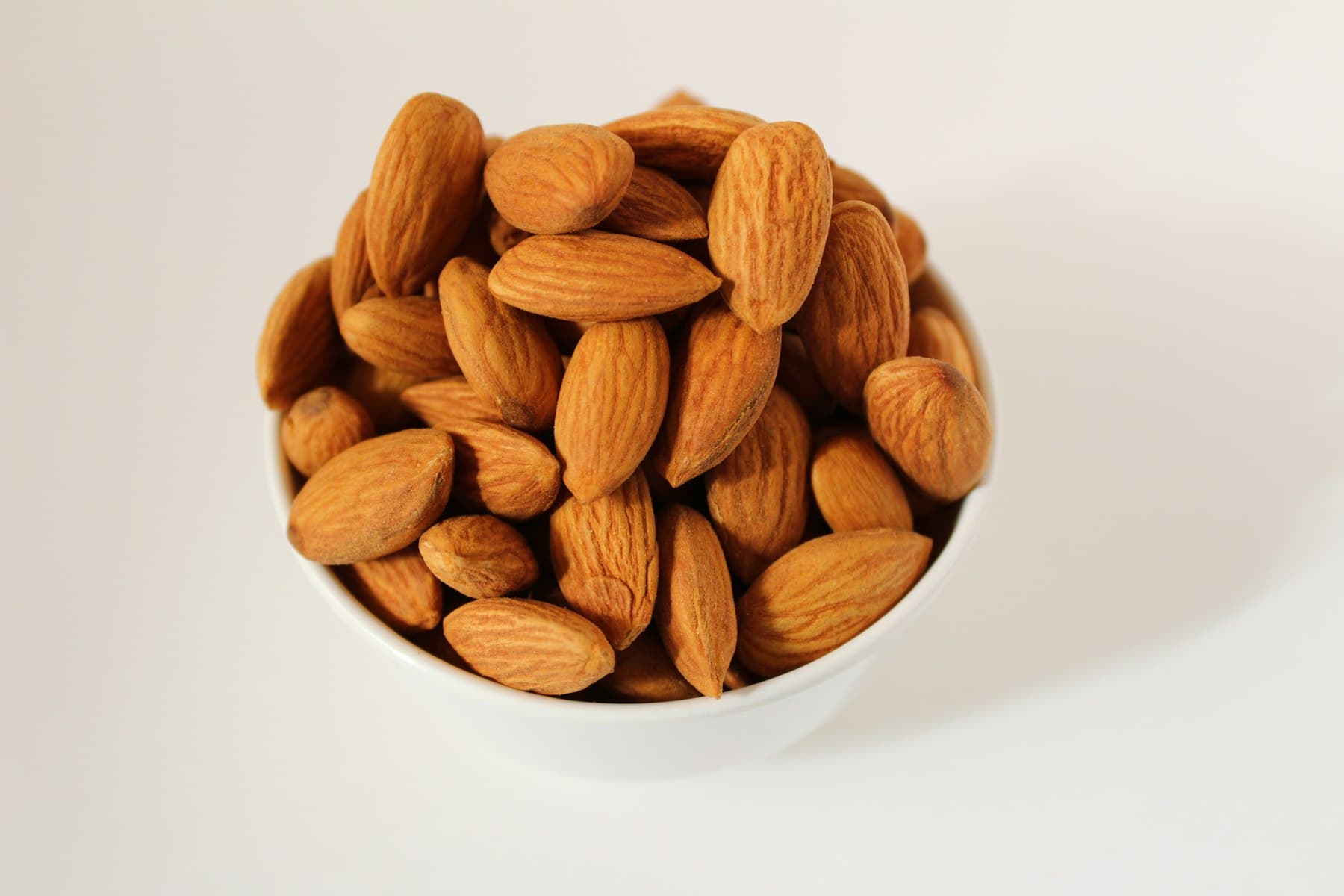
Sweet almond oil is pressed from the kernels of the sweet almond tree (Prunus amygdalus dulcis), the same almonds we eat. It is a pale gold, lightweight oil with almost no scent. It is not the same as bitter almond oil, which comes from a different variety and is not a substitute for it. We explain the difference in Badam Rogan vs Sweet Almond Oil.
Almond oil is naturally rich in fatty acids, mainly oleic acid with a good share of linoleic acid. On the skin it works as an emollient: it fills in the tiny gaps between the flattened cells on the surface, which is why skin feels smoother and softer almost immediately. It also forms a light, breathable layer that slows down the loss of water from the skin.
What almond oil can do for your skin
What it won't do is perform miracles. Be wary of anyone promising that almond oil will erase wrinkles, scars, stretch marks or pigmentation, or 'whiten' skin. Those claims aren't supported, and they set you up for disappointment. Almond oil is a wonderful softener, and that's more than enough reason to use it.
How to use almond oil on your body
Damp skin is the secret. The oil spreads further, absorbs faster and leaves a soft finish rather than a slick one. For more detail, read our guide to using body oil after a shower.
How to use almond oil on your face
Almond oil can be used on the face, but use less than you think: two or three drops are plenty. There are three easy ways to do it:
If you prefer a lighter, faster-settling oil for your face, apricot kernel oil is a close cousin with a finer texture. We compare the two in Apricot Oil vs Almond Oil.
Other everyday uses
Common mistakes
Who should avoid almond oil?
Almond oil comes from a tree nut. If you have a nut allergy, speak to your doctor before using it, and avoid it if in doubt. If you have very oily or breakout-prone skin, start with a small amount a few times a week and see how your skin responds over two or three weeks. If you have eczema or another skin condition, check with your doctor first.
Our almond oil
Our Almond Oil is a single-ingredient sweet almond oil, checked batch by batch and bottled in amber glass to help protect it from light. Nothing added, nothing taken away: just the everyday softener, ready for your skin and hair.
Frequently asked questions
This article is for general information and isn't medical advice. If you have a skin condition, allergy or concern, please speak to a doctor or pharmacist.