Apricot Kernel Oil for Face: A Lightweight Oil for Everyday Glow
Fine, fluid and quick to settle. Why apricot kernel oil is the face oil for people who don't like face oils.
By Hunzapure Team3 min read

If you've tried a face oil before and found it heavy or greasy, apricot kernel oil may change your mind. It is one of the lightest plant oils you can use, it settles into skin quickly, and it leaves a satin finish rather than a shine. That's why it's a favourite for facial massage and for people who are new to face oils.
What is apricot kernel oil?
Apricot kernel oil (Prunus armeniaca) is pressed from the soft kernel inside the apricot stone. In Urdu it's often called khubani ka tel, and in the mountain valleys of northern Pakistan apricot kernels have been pressed for oil for generations. You can read more in The Hunza Apricot.
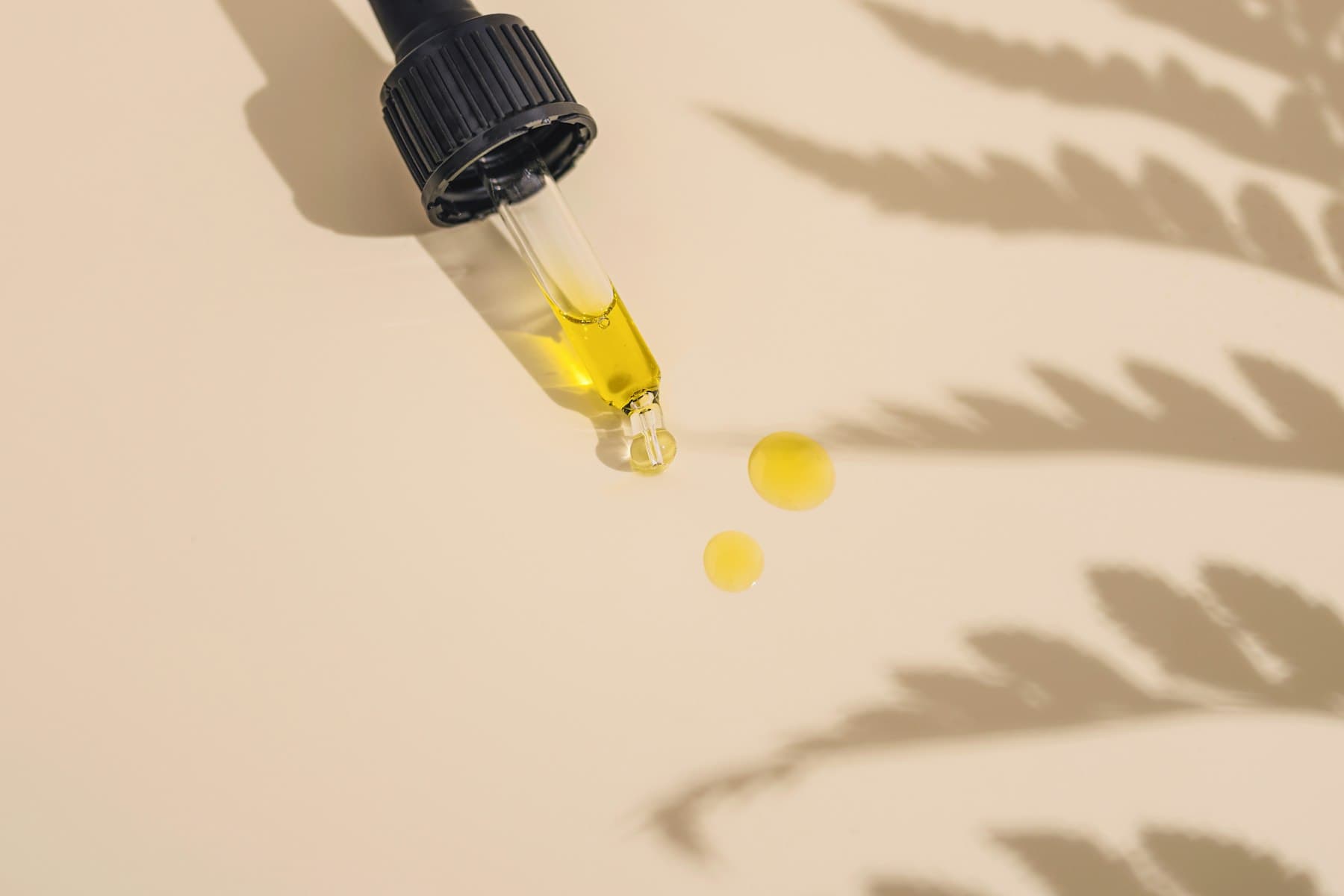
The oil is clear to light gold, with a soft, faintly nutty scent and a fluid texture that spreads easily with just a couple of drops. Like almond oil, it is rich in oleic and linoleic fatty acids, but it feels noticeably finer on the skin.
Why apricot oil suits the face
Which skin types is it good for?
Not sure which oil suits you? Our guide on how to choose a face oil walks through it by skin type.
A 2-minute apricot oil face massage
That's it. Two minutes, every evening. Beyond leaving skin soft, it's a calming way to end the day, and a good habit for slowing down before bed.
Apricot oil as a gentle makeup remover
Massaged onto dry skin, apricot oil helps loosen makeup and sunscreen before your usual cleanser. It's the base of the oil cleansing method, which we explain step by step.
Apricot oil vs other face oils
Compared with almond oil, apricot is finer and settles faster. Compared with rich oils like walnut, it's much lighter, so it's easier to wear in the day and in hot weather. That makes it our pick for summer skin care. For a full comparison, see Apricot Oil vs Almond Oil.
How long does a bottle last?
Because you only need two or three drops, a small bottle goes a long way, often a couple of months of daily face use. Keep it closed, out of the sun and away from heat so it stays fresh. Our guide to storing natural oils explains how to tell if an oil has gone off.
Try our apricot oil
Our Apricot Oil is pure apricot kernel oil and nothing else, bottled in amber glass. It's the lightest of our three oils and the one we reach for most for face rituals.
Frequently asked questions
This article is for general information and isn't medical advice. If you have a skin condition, allergy or concern, please speak to a doctor or pharmacist.