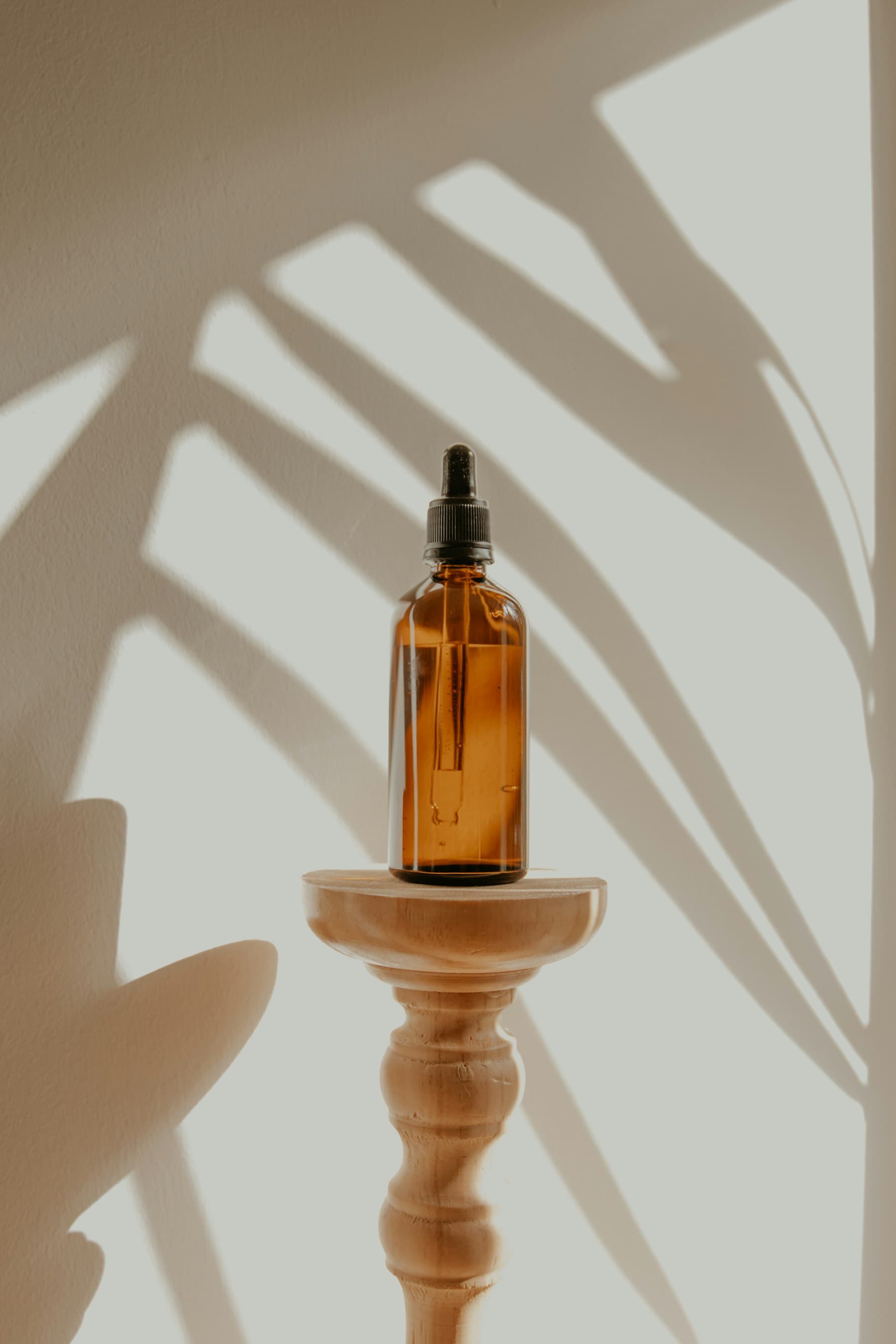
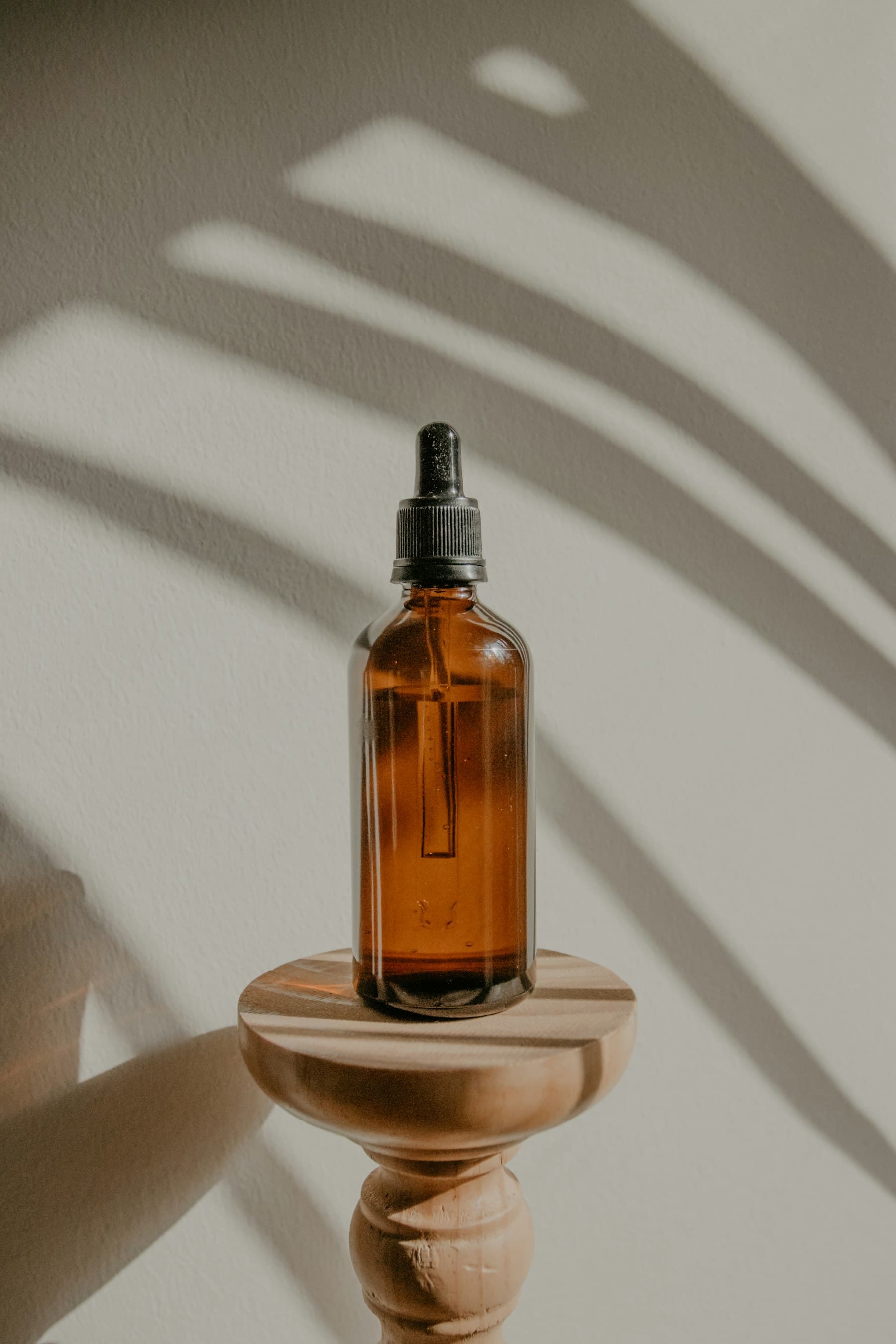
Walnut Oil for Dry Skin: Rich Care for Elbows, Knees and Hands
The richest of the kernel oils, made for the driest spots. Where and how to use walnut oil on skin.
By Hunzapure Team3 min read
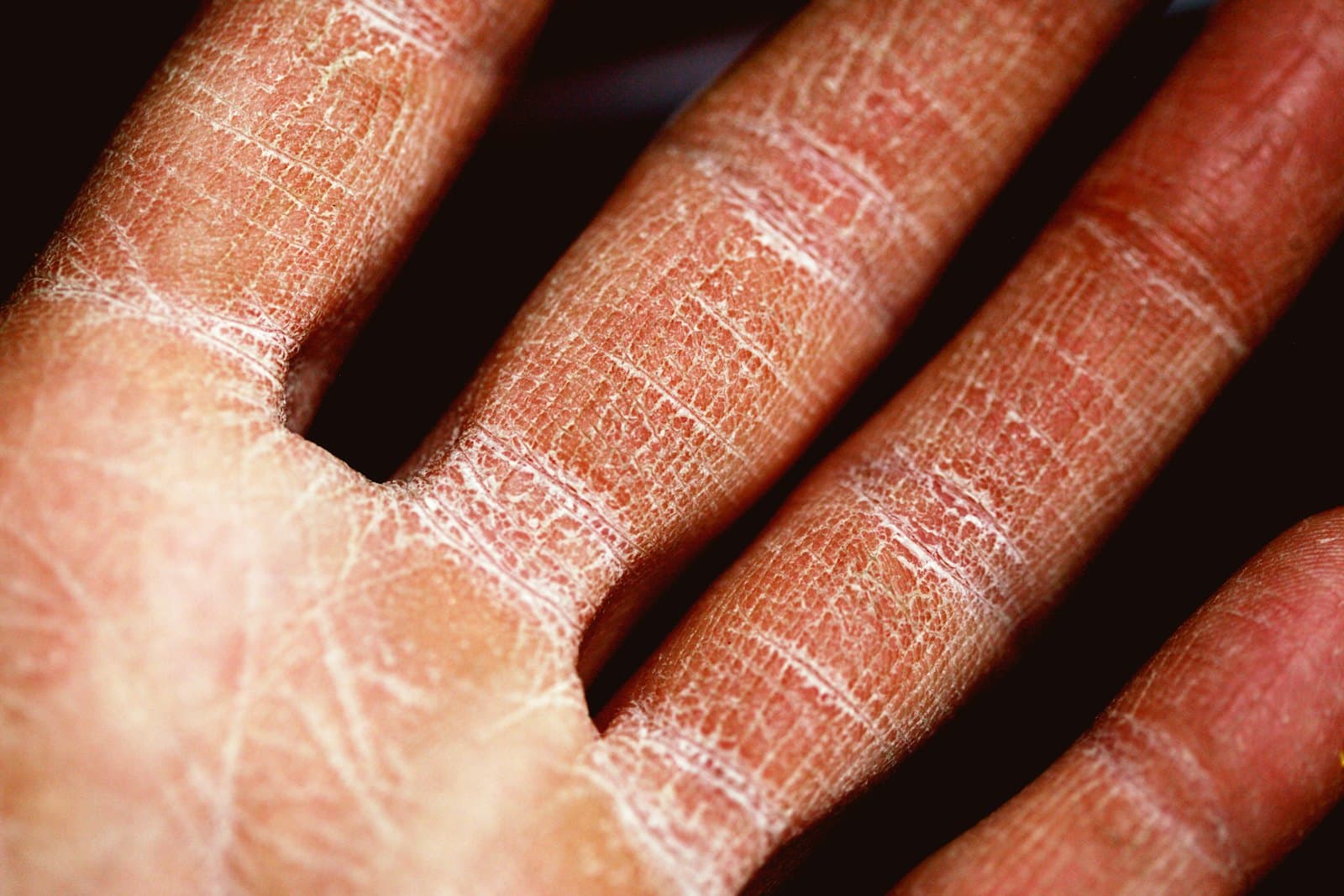
Some skin needs more than a light lotion. Elbows that feel rough, shins that flake, knuckles that crack in winter: these spots need something richer. That's where walnut oil comes in.
What makes walnut oil different?
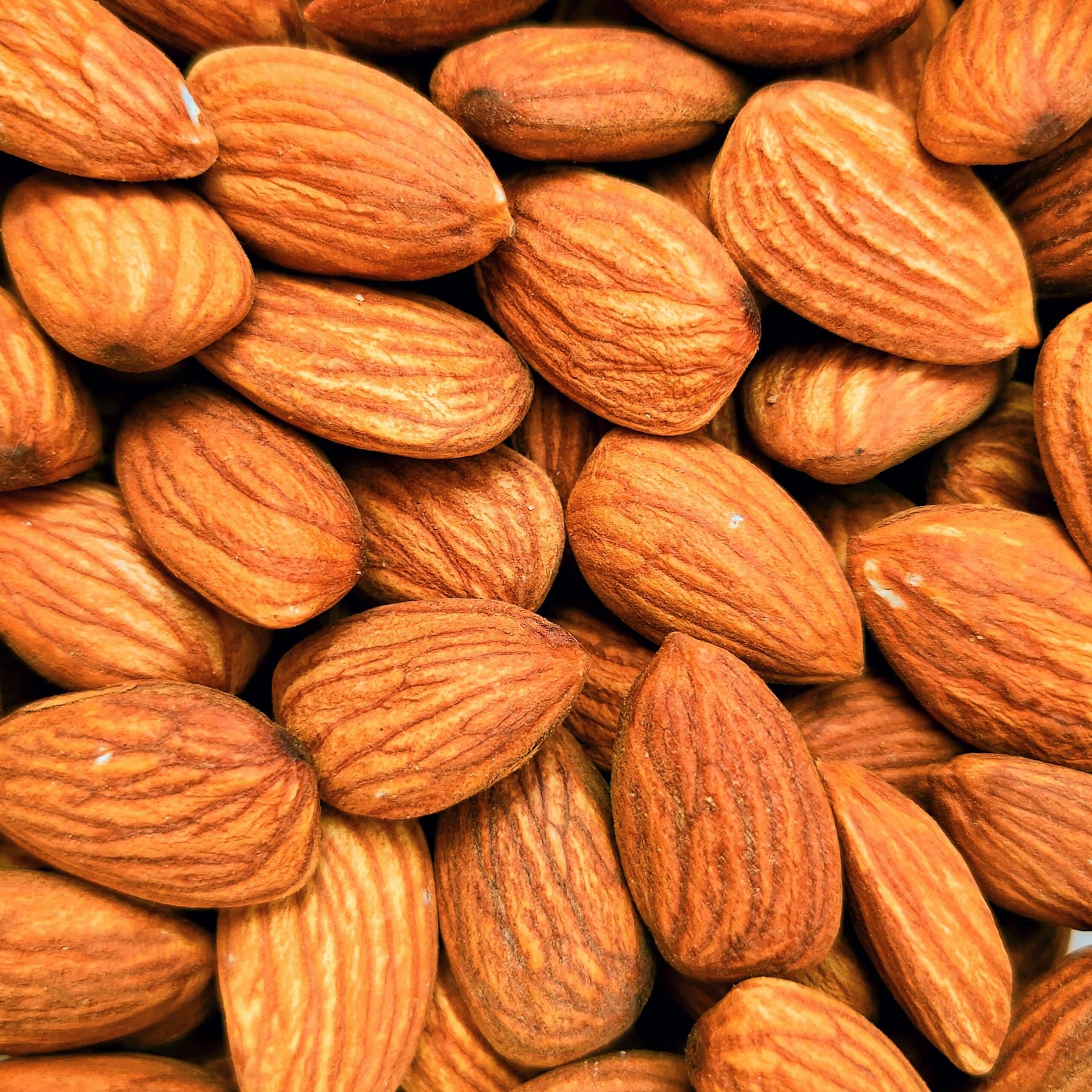
Walnut oil (Juglans regia) is pressed from the walnut kernel. Compared with almond or apricot oil, it's richer and more cushioning, with a deep amber colour and a warm, toasted scent. It stays on the skin's surface a little longer, which makes it a good choice where skin needs extra comfort and protection from dry air.
It's naturally high in polyunsaturated fatty acids, including linoleic acid and some alpha-linolenic acid, which are part of what gives it its rich, nourishing feel.
Why some areas get so dry
Elbows, knees, shins, hands and heels have fewer oil glands than your face or scalp, and they take more friction and exposure. They're often the first places to feel rough in winter or after lots of hand washing. These are the areas where a richer oil makes the most difference.
Where to use walnut oil
An evening ritual for dry skin
A 10-minute weekly treatment
Once a week, give rough areas some extra attention. After a warm bath, gently buff elbows, knees and heels with a soft washcloth. Massage in a generous layer of walnut oil, then wrap with a warm, damp towel for ten minutes. Wipe away any excess. Skin will feel noticeably softer.
Can you use walnut oil on your face?
You can, but it's rich. If your facial skin is very dry, try one drop pressed over your moisturiser at night. For most people, a lighter oil like apricot is a better daily face oil. See how to choose a face oil.
Walnut oil vs body lotion
Lotions add water and a little oil; walnut oil adds a rich, protective layer. On very dry skin, many people like to use both: lotion first, then walnut oil on the driest spots to seal it in.
Storage
Walnut oil is more delicate than almond or apricot, so keep it tightly closed in a cool, dark place and use it within the time on the label. See how to store natural oils.
Safety
Walnut is a tree nut. Avoid it if you have a nut allergy, and patch test before first use. If your dry skin is cracked, bleeding, or very itchy, see a doctor, as it may be eczema or another condition.
Our Walnut Oil is single-ingredient and bottled in amber glass. It's the one to reach for when skin needs deep comfort. Read our winter skin care routine for the full seasonal approach.
Frequently asked questions
This article is for general information and isn't medical advice. If you have a skin condition, allergy or concern, please speak to a doctor or pharmacist.